
Venue & Visual Experience
Wedding uplighting: what it actually changes in your venue
Uplighting can influence the color, depth and atmosphere of a reception room by directing light upward along walls and architectural surfaces.
But the effect depends on the venue itself. The same idea can read very differently against:
- Light walls
- Dark walls
- Brick
- Stone
- Wood
- Columns
- Curtains
- Architectural details
- Strong existing light
The short answer
What is wedding uplighting?
Wedding uplighting is lighting positioned low around a reception room and aimed upward, so it illuminates walls, columns or other architectural surfaces rather than the tables or the dance floor.
Couples and venues commonly use it to shape:
- Atmosphere
- Color
- Visual depth
- Architectural emphasis
- The visual edge of the room
Light rising along the wall
The effect
What uplighting actually changes.
Uplighting mainly changes how you see the surfaces and edges of the room. In practice, that usually shows up in four ways.
Color
It can introduce or reinforce color around the room.
Depth
Light along walls and architectural features can change how flat or dimensional the room appears.
Focus
It can draw more attention to particular walls, columns or features.
Atmosphere
Changing the light around the edges of the room can influence the overall visual mood.
The surface matters
What is the lightactually hitting?
Light interacts with whatever is behind it. These are tendencies, not rules. How a specific wall reads depends on its color, finish and the rest of the room's lighting.
Light + neutral walls
May make color or illumination more visually apparent.
Dark walls
May produce a different, often more restrained result, depending on the surface and the lighting.
Brick + stone
Texture can become part of the visual effect.
Wood
Existing warmth and surface character affect how the room reads.
Curtains + draping
Fabric creates a different visual result from a solid architectural wall.
Columns + details
Lighting may emphasize repeated features or vertical lines in the room.
Illustrations are simplified patterns, not examples of real results.
Architecture
Architecture can become part of the lighting.
Uplighting can sometimes emphasize features you already liked about your venue. Not every room has these, and that is fine. This is the same venue-first thinking behind how to transform your wedding venue.
- Columns
- Arches
- Textured walls
- Tall ceilings
- Alcoves
- Repeated architectural details
- The structural rhythm of a ballroom
Sometimes the best use of lighting is not to compete with the venue, but to make more of what is already there.
One layer of many
Existing lighting does not disappear.
Uplighting is only one layer of the room's light. The final look comes from everything interacting, so it helps not to picture uplighting as though the rest of the room will be dark or neutral.
Already in many rooms
- Chandeliers
- Pendant fixtures
- Sconces
- House lights
- Candles
- Daylight
- Windows
- Decorative fixtures
- DJ + entertainment lighting
+ Uplighting=the room you actually see
Color
Start with the feeling, not the color chart.
Rather than looking for the "best" uplighting colors, start with the atmosphere you want. If you need words for it, see describing the vibe you want. There is no universal meaning for a color. How it feels depends on the room and on you.
Warm + intimate
Polished + romantic
Modern + clean
Colorful + expressive
Higher energy later in the night
Color decisions also depend on
- The venue's surfaces
- The existing lighting
- Other prominent colors in the room
- How strong or subtle you want it to feel
Across the night
Does the lighting have to stay the same all night?
The look of a reception can change as the night goes on. Some couples want one consistent atmosphere. Others like the room to feel warmer or more restrained at dinner and stronger once dancing begins. Not every setup changes during the night, so ask the company providing it what is possible. Music can evolve across the evening in a similar way, as covered in cocktail hour vs. dinner vs. dance floor music.
Option one
One atmosphere, all night
Option two
A shift from dinner to dancing
Two different jobs
Uplighting vs. dance-floor lighting.
They can work together, but they are not interchangeable. A couple may want one, both or neither.
Uplighting
The room around you
Primarily affects the room's walls, architecture and overall visual atmosphere.
Dance-floor + intelligent lighting
Where the dancing happens
Primarily brings changing visual energy and attention to the dance-floor environment.
Is it a priority for you?
When uplighting may matter more, and when it may matter less.
It may make a bigger difference when
- There are substantial wall surfaces around the reception.
- The venue has architecture you would like to emphasize.
- The atmosphere you want differs from the venue's default lighting.
- The room has clear perimeter surfaces that become part of the visual experience.
- Lighting is an important part of the look you want.
It may be less of a priority when
- You already love the venue's existing lighting and atmosphere.
- The architecture itself is already visually dominant.
- Much of the reception happens outdoors or in strong natural light.
- Other visual priorities matter more to you.
- Lighting the edges of the room does not really support the experience you want.
Working together
Uplighting with other enhancements.
Uplighting can interact visually with other choices in the room. More is not automatically better. Choices tend to work best when each has a distinct purpose rather than competing for attention.
- Monograms
- Marquee letters
- Dancing on the clouds
- Cold sparks
- Intelligent dance-floor lighting
See it in your space
Seeing uplighting in your actual venue.
Inspiration photos show lighting in someone else's room. You might like an example because of something other than the lighting itself:
- The wall behind it
- The architecture
- The room's proportions
- The existing fixtures
- The other lighting
- The overall design
Seeing a concept in your own venue can make it easier to think about:
- Which surfaces are affected
- How prominent the lighting feels
- How it interacts with the architecture
- Whether it supports the atmosphere
- How it works with other visual choices
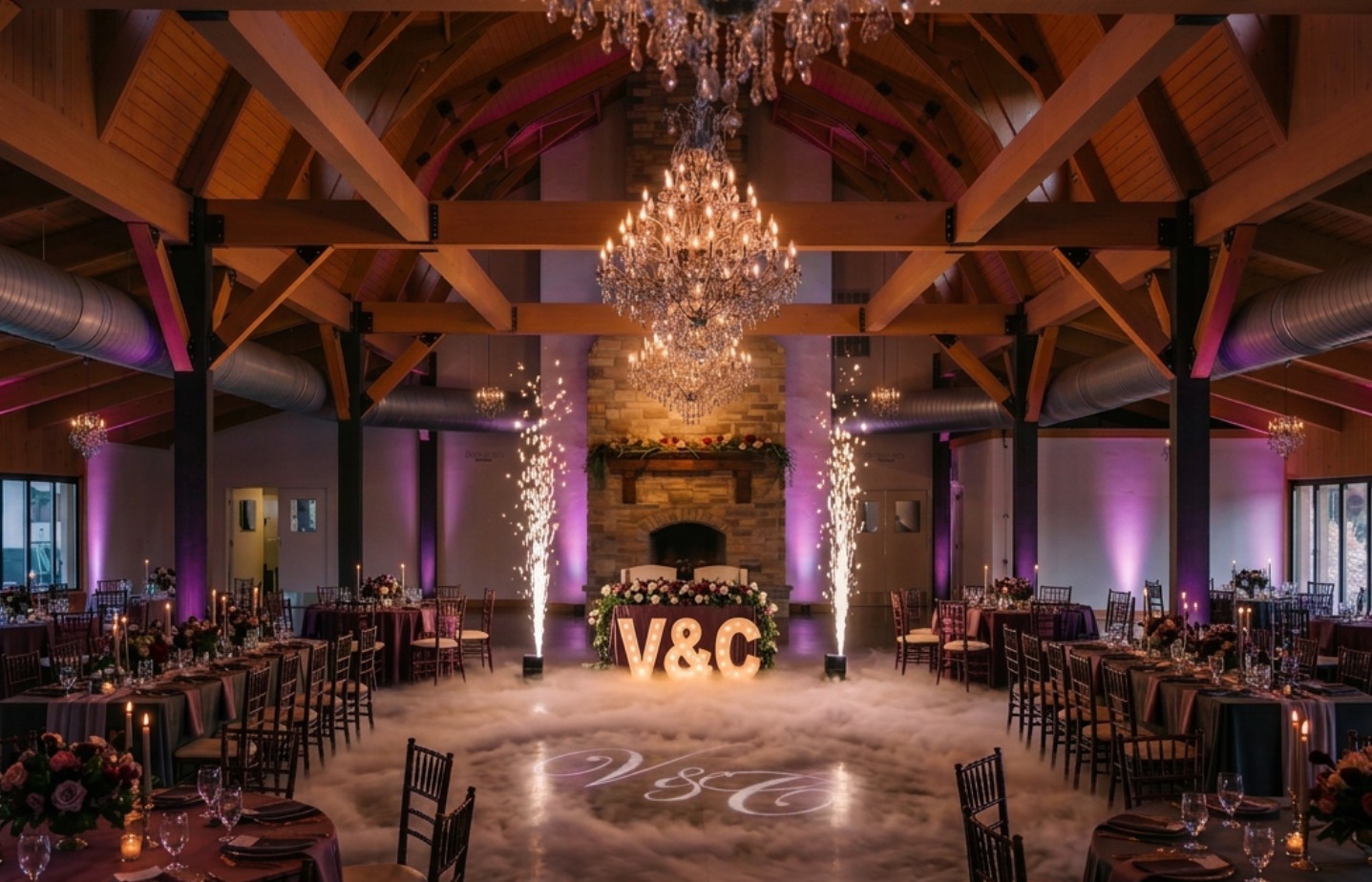
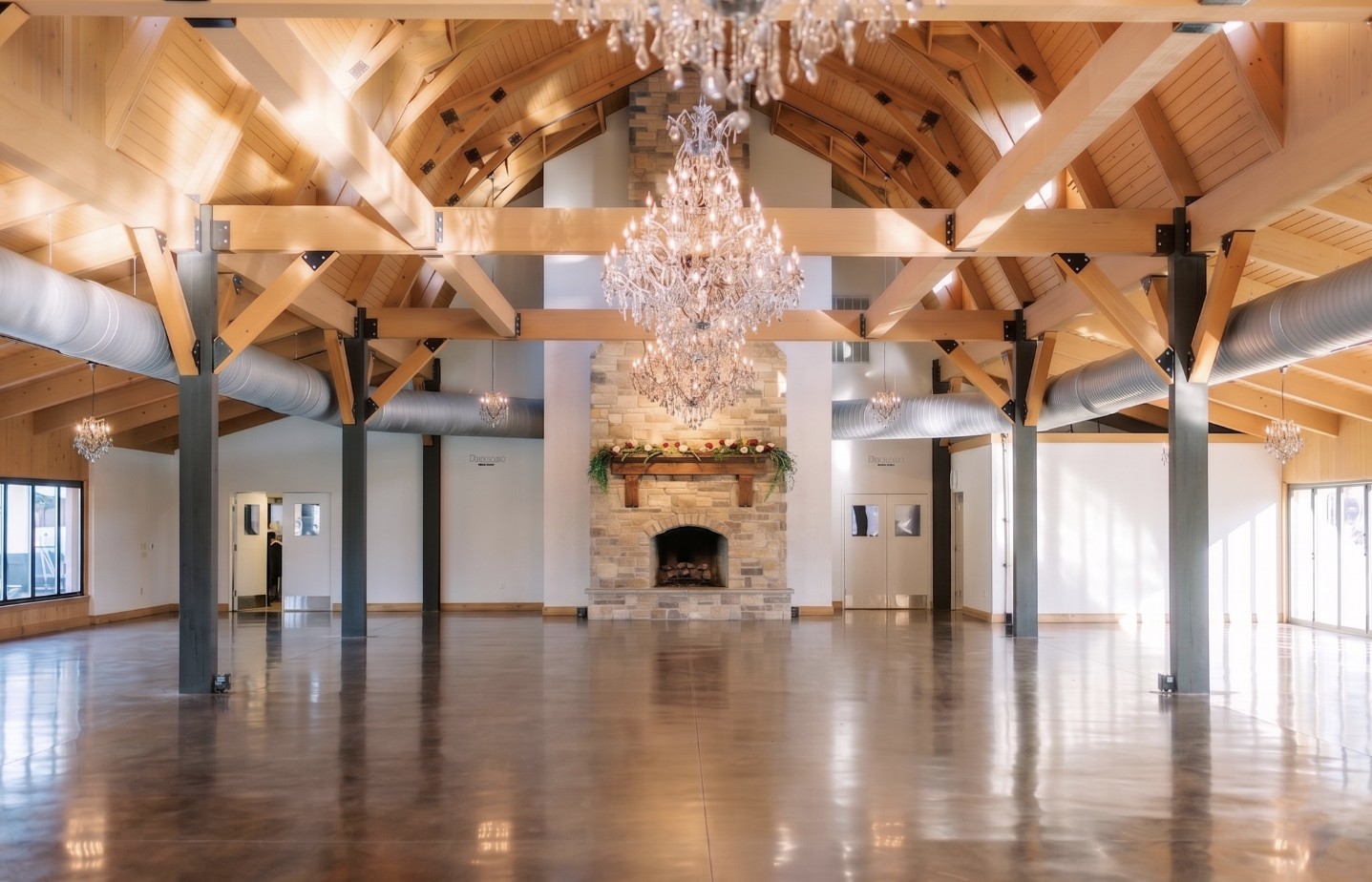
Drag to reveal
VibeCraft Marketplace is being built to help couples picture enhancement concepts in real venues when it launches. A visualization is a concept, not an exact prediction. It does not simulate how light physically behaves, show exact colors, or decide equipment, placement or venue requirements. Learn more about Wedding Visualization.
A planning exercise
Your uplighting brief.
Think these through, or copy them into your own notes. This is a planning exercise, not a VibeCraft feature. Nothing here is saved or submitted.
Your Uplighting Brief
Our venue already feels
We want the reception to feel
The surfaces + features we notice most
We want the lighting to feel
Areas we may want to emphasize
Existing lighting we like
Other visual elements we're considering
What we don't want the room to feel like
Three example directions. None is the ideal one, and less is a valid choice.
Historic venue, textured architecture
- Our venue already feels
- rich and historic, with stone walls and carved details.
- We want the reception to feel
- warm and intimate.
- We want the lighting to feel
- subtle.
- Areas we may want to emphasize
- the stone texture and the arches.
- What we don't want the room to feel like
- a modern event space. The architecture should stay the focus.
Modern ballroom, neutral surfaces
- Our venue already feels
- clean, bright and fairly neutral.
- We want the reception to feel
- polished during dinner, with more visual energy once dancing begins.
- We want the lighting to feel
- noticeable, becoming more expressive later.
- Other visual elements we're considering
- a monogram and dance-floor lighting.
- What we don't want the room to feel like
- flat or like a conference room.
Venue chosen for its existing light
- Our venue already feels
- exactly how we want, with chandeliers and candlelight we love.
- Existing lighting we like
- nearly all of it.
- We want the lighting to feel
- subtle, or possibly no additional lighting at all.
- Areas we may want to emphasize
- maybe one feature wall, only if it adds something.
- What we don't want the room to feel like
- changed from what made us choose it.
Before you decide
Questions to ask about uplighting.
What surfaces will the uplighting actually hit?
What does the venue look like without it?
Which architectural features could it emphasize?
How much existing light will be in the room?
Do we want the lighting to be subtle or visually prominent?
Do we want one atmosphere all night or a change later?
How will it interact with dance-floor lighting?
How will it interact with other enhancements?
Does the venue have any restrictions we need to know about?
What will the room look like from where guests will actually spend time?
Questions
Wedding uplighting FAQ
What is wedding uplighting?
Wedding uplighting is lighting placed low around a reception room and aimed upward to illuminate walls, columns or other architectural surfaces. It is commonly used to shape atmosphere, add color, create visual depth and emphasize features of the venue.
What does uplighting do at a wedding?
It mainly changes how the walls and edges of the room look. Depending on the venue, it can add or reinforce color, make the room feel more dimensional, draw attention to certain features and shift the overall mood of the space.
Is uplighting necessary for a wedding reception?
No. Many receptions feel complete without it. Uplighting is one optional way to shape a room, and whether it matters depends on your venue and the atmosphere you want.
Is wedding uplighting worth it?
There is no universal answer. Its value depends on your venue, the atmosphere you want and your other priorities. In some rooms it changes the feel significantly. In others, the venue already provides what you want visually, so it may not be a priority.
Does uplighting work in every venue?
The effect varies from room to room. Wall color, materials, architecture, existing lighting and how much of the reception happens outdoors all affect what uplighting adds. Venue policies can also vary, so confirm with your venue.
What color uplighting should I choose?
Start with the feeling you want rather than a color chart. Then consider your venue's surfaces, the existing lighting, other prominent colors in the room and how subtle or noticeable you want the effect to be. A lighting or entertainment professional can help you think through options for your room.
Can uplighting change during the reception?
Some setups can change during the night and some are meant to stay consistent. Ask the company providing it what is possible. It can help to decide first whether you want one atmosphere all night or a visual shift as dinner turns into dancing.
What is the difference between uplighting and dance-floor lighting?
Uplighting mainly affects the room's walls, architecture and overall atmosphere. Dance-floor or intelligent lighting brings changing visual energy and attention to the dancing area. They can work together, but they are not interchangeable.
Does uplighting work on brick or stone walls?
It can. With textured surfaces like brick or stone, the texture itself often becomes part of the visual effect. How it reads depends on the specific wall, its color and the rest of the room's lighting.
Can you have too much uplighting?
It is possible for lighting to compete with the venue or other visual choices. More lighting is not automatically better. What matters is whether it supports the room and the atmosphere you want.
Should uplighting match my wedding colors?
It does not have to. Some couples coordinate lighting with their colors, while others choose lighting that supports the room's surfaces and overall feeling. Seeing how a color reads in your actual venue is often more useful than matching a swatch.
How can I picture uplighting in my wedding venue?
Inspiration photos usually show someone else's room. Seeing a concept inside your own venue can make it easier to judge. VibeCraft Marketplace is being built to help with that through Wedding Visualization when it launches, which shows a concept rather than an exact prediction.
Keep Planning
Where to go next.
Uplighting is not just a color.It is light meeting the room you chose.
VibeCraft Marketplace is being built to help couples use their venue, atmosphere and entertainment preferences as context for finding DJ companies that may fit the celebration they want.