
The Dance Floor
How to build a wedding dance floor that actually feels like you
A great wedding dance floor does not have to look like every other wedding.
It might be packed from the first song.
It might build slowly.
It might move between throwbacks, cultural favorites, current music and songs your friends have loved for years.
What matters is that the energy feels right for you and the people celebrating with you.
Do not start with
"How do we keep everyone dancing?"
Start with
"What do we want dancing at our wedding to feel like?"
Your version of a great night
What does a great dance floor mean to you?
Before chasing a generic idea of a packed dance floor, decide what you actually want. A few possibilities, and plenty of weddings combine several:
The all-night party
You want dancing to become the center of the reception and stay there.
The big build
You want dinner and early moments to feel relaxed before the night grows into a much bigger party.
The social dance floor
You want plenty of dancing, but guests should also feel comfortable talking, moving around and enjoying other parts of the reception.
The everyone-gets-a-moment floor
You want different generations, cultures or music tastes to have moments that bring them into the celebration.
The this-is-so-us floor
You care less about expected wedding songs and more about music that genuinely represents you and your friends.
Before you build the dance floor, decide what success looks like for your wedding.
Sound like yourselves
The dance floor should recognize you.
Signals like these give your DJ an identity to build around, instead of defaulting to a generic wedding playlist.
For the bigger picture of reception music, see How to Choose Music for Your Wedding Reception.
- Artists you genuinely love
- Genres you listen to regularly
- Songs your friends associate with you
- Nostalgic music from meaningful eras
- Cultural influences
- Family favorites
- Songs tied to shared memories
- Music you absolutely do not want
Know your room
Your guests are part of the equation.
You know things about your guests that can help a DJ understand the room. The point is not a playlist that pleases every individual. It is useful context.
Are there several generations?
Is the crowd naturally outgoing?
Are your friends already big dancers?
Are there important cultural or family traditions?
Are guests likely to make requests?
Did a large group grow up with the same era of music?
Are there genres that will immediately connect certain groups?
Are there songs everyone in your friend group knows?
Energy + pacing
The night does not need to stay at maximum energy.
Dance floor energy can move. Here is one possible shape, not a required formula.
Opening the floor
An inviting transition into dancing.
Building momentum
Recognizable reasons for guests to join.
Peaks
Moments where the room can become bigger and more energetic.
Breathing room
Not every song needs to be the biggest song of the night.
Second wind
A change in era, genre or energy can bring people back.
Late night
Depending on you, more specific, adventurous or high-energy.
Mixing the night
Your dance floor does not have to choose one genre.
Many couples enjoy several genres, eras and influences. Variety can create different moments on the dance floor, and how genres are sequenced and transitioned can matter as much as the genres themselves. A few examples:
- Pop
- Hip-hop
- R&B
- Rock
- Country
- EDM
- Latin
- Dancehall
- Disco
- Funk
- Throwbacks
- Current music
- Cultural and regional styles
Guest requests
A request is information, not necessarily an instruction.
Couples take different approaches. Some:
- Welcome most guest requests
- Want the DJ to use judgment
- Want requests only if they fit their preferences
- Do not want certain artists or genres played, regardless of requests
There is no single correct policy. Talk it through before the wedding, so your DJ understands your boundaries before deciding whether a request makes sense in the moment.
Boundaries matter too
Sometimes what you leave out matters as much as what you play.
A do-not-play list protects the vibe. It can identify:
- Specific songs
- Artists
- Genres
- Line dances
- Songs with personal associations
- Anything you genuinely do not want
Use it for meaningful boundaries rather than trying to pre-program every decision.
More than the playlist
A dance floor is not just the songs that get played.
Two DJs could receive similar music preferences and create noticeably different reception experiences. Neither approach is automatically better. Fit matters.
To evaluate that fit, see How to Choose a Wedding DJ and Questions to Ask a Wedding DJ.
A DJ's approach can shape
- Transitions
- Timing
- Pacing
- Reading guest response
- Microphone use
- Requests
- Genre changes
- When to stay with what is working
- When to move on
- How energy builds
The space around the music
People experience the dance floor with their eyes too.
The physical environment can influence how dancing feels. Optional enhancements like cold sparks, dancing on clouds, monograms or marquee letters can add to some weddings, but none of them are necessary for a good dance floor.
- Dance floor location
- DJ placement
- Room brightness
- Dance floor lighting
- Uplighting
- Guest seating layout
- Visual focal points
- Entertainment enhancements
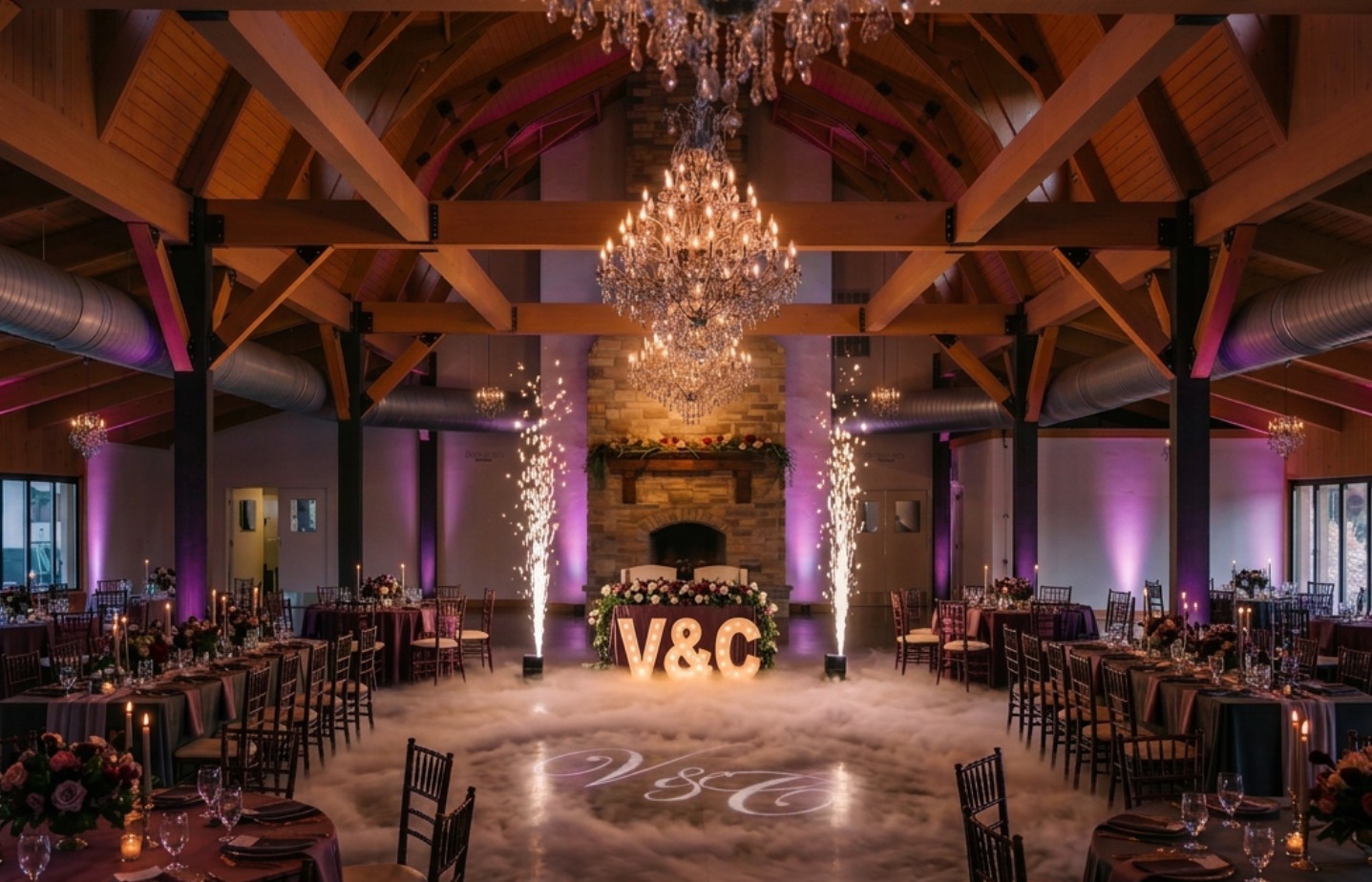
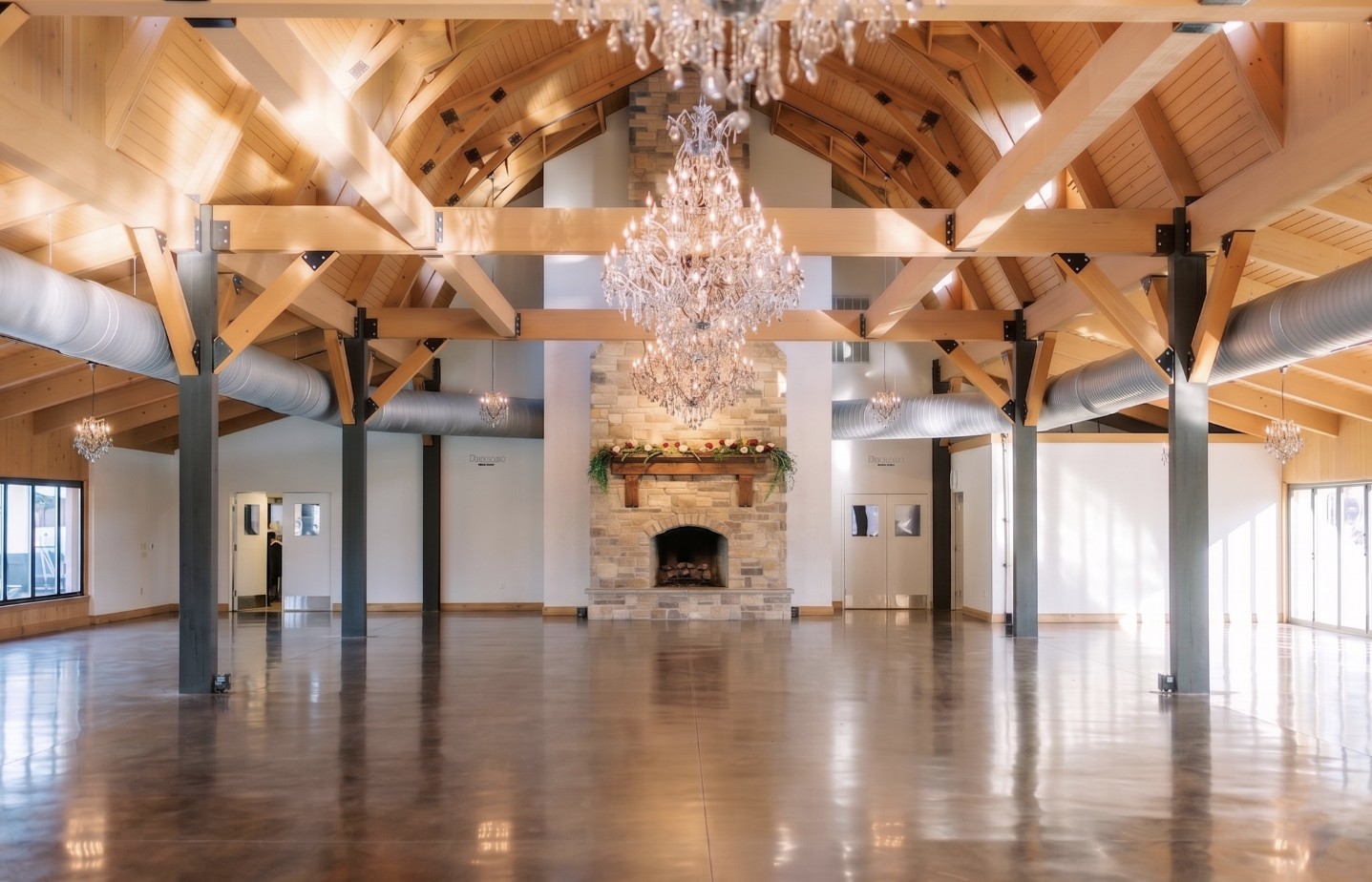
Drag to reveal
A visualization is a concept, not an exact prediction of the finished wedding. Learn more about Wedding Visualization.
What can get in the way
A few things can make the dance floor harder than it needs to be.
01Trying to please every single person
A reception cannot become everyone's personal playlist.
02Scripting every song without room to respond
Tight control is a valid choice. But if you want the DJ to respond to the room, some flexibility may help.
03Giving the DJ almost no direction
"Play whatever works" may not communicate what actually feels like you.
04Chasing a generic idea of a wedding party
A full dance floor means less if the music and atmosphere do not feel right for you.
05Treating the dance floor as only a music decision
Timing, room layout, lighting, DJ approach and the overall reception flow can matter too.
Put it together
Give your DJ a picture of the dance floor you want.
Your dance floor brief
- 1
We want the dance floor to feel
descriptive words
- 2
Our music leans toward
genres, artists, eras, influences
- 3
Our crowd is
what you know about your guests
- 4
We definitely want
must-plays, moments, traditions
- 5
We definitely do not want
songs, styles, interactions
- 6
We want our DJ to
interaction, flexibility, requests, pacing
- 7
By the end of the night, we hope
the experience, not a number
"We want the dance floor to feel joyful, familiar and energetic. Our music leans toward pop, Motown, 90s and 2000s throwbacks and current hits. Our crowd includes grandparents, parents and a big group of college friends, and our families love a few traditional songs. We definitely want our cultural favorites after dinner and a big singalong near the end. We definitely do not want line dances or anything explicit early on. We want our DJ to take requests that fit the vibe and keep the microphone to key moments. By the end of the night, we hope every part of our family has had a moment together on the floor."
"We want the dance floor to feel like our favorite night out with friends. Our music leans toward house, disco and indie dance, with a few 2000s guilty pleasures. Our crowd is a tight group of friends who already dance together, and plenty of other guests will be happy socializing. We definitely want our song for the last dance. We definitely do not want typical wedding party staples or group dances. We want our DJ to stay mostly off the microphone and take the room somewhere more adventurous late. By the end of the night, we hope it feels completely like us, even if the floor is smaller."
Two very different dance floors, and neither is better. For the overall feeling of the night, see How to Describe the Vibe You Want at Your Wedding.
Why fit matters
Finding a wedding DJ is one thing.Finding one who understands your kind of party is different.
Location, availability and package information matter. But they do not fully explain what you want the reception to feel like.
VibeCraft Marketplace is being built around richer context: your venue, music preferences, atmosphere, DJ style, entertainment preferences, enhancements and the reception experience you want. When it launches, that context is meant to create a clearer picture of the celebration before identifying DJ companies that may align with it.
Organic VibeCraft recommendations are not sold to the highest bidder.
Not more options. Better options.
Questions
Wedding dance floor FAQ
How do I get people to dance at my wedding?
There is no guaranteed tactic. It helps to give your DJ a clear sense of your music, your crowd and the energy you want, leave some room for them to respond to the room, and think about the space too, like where the dance floor sits and how it is lit.
How do I make my wedding dance floor fun?
Start by deciding what fun means to you. For some couples it is nonstop dancing, for others it is singalongs, cultural favorites or a smaller group of friends dancing hard. Build around that rather than a generic idea of a wedding party.
How do I choose music for the wedding dance floor?
Start with your own taste: artists you love, genres you listen to, songs your friends associate with you and music from meaningful eras. Add what you know about your guests, then share clear boundaries with your DJ.
Should I choose every dance song for my wedding?
You can if you want tight control, and that is a valid choice. If you want your DJ to respond to the room, giving direction and must-plays while leaving some flexibility may work better.
Should wedding DJs take guest requests?
That depends on you. Some couples welcome most requests, some want the DJ to use judgment, and some only want requests that fit their preferences. Discuss it with your DJ before the wedding.
How do I get different generations dancing at my wedding?
Rather than assuming what any age group likes, think about the specific people coming. Tell your DJ about family favorites, traditions and songs that connect certain groups, so different guests have ways into the dance floor.
Does a wedding DJ need a do-not-play list?
It can help. A do-not-play list communicates meaningful boundaries, like songs, artists, genres or line dances you do not want, so your DJ can respect them even when requests come in.
How much freedom should I give my wedding DJ?
It depends on how much control you want. Many couples set clear direction and boundaries, then give the DJ room to read the floor during open dancing. There is no single right balance.
Does lighting make a difference on a wedding dance floor?
It can. Room brightness, dance floor lighting and uplighting can change how the space feels once dancing begins. Lighting and enhancements are optional, though, and a dance floor can feel great without them.
What if not everyone dances at my wedding?
That is normal. Dancing is only one way guests enjoy a wedding. Many people have a wonderful time talking, watching, celebrating and taking part in other moments. A dance floor does not need every guest on it to be a success.
Keep Planning
Where to go next.
Build the kind of dance floor you want.Then find the DJ who understands it.
VibeCraft Marketplace is being built to help couples use their music, guests, atmosphere and the dance floor they imagine as context for finding DJ companies that may fit it.